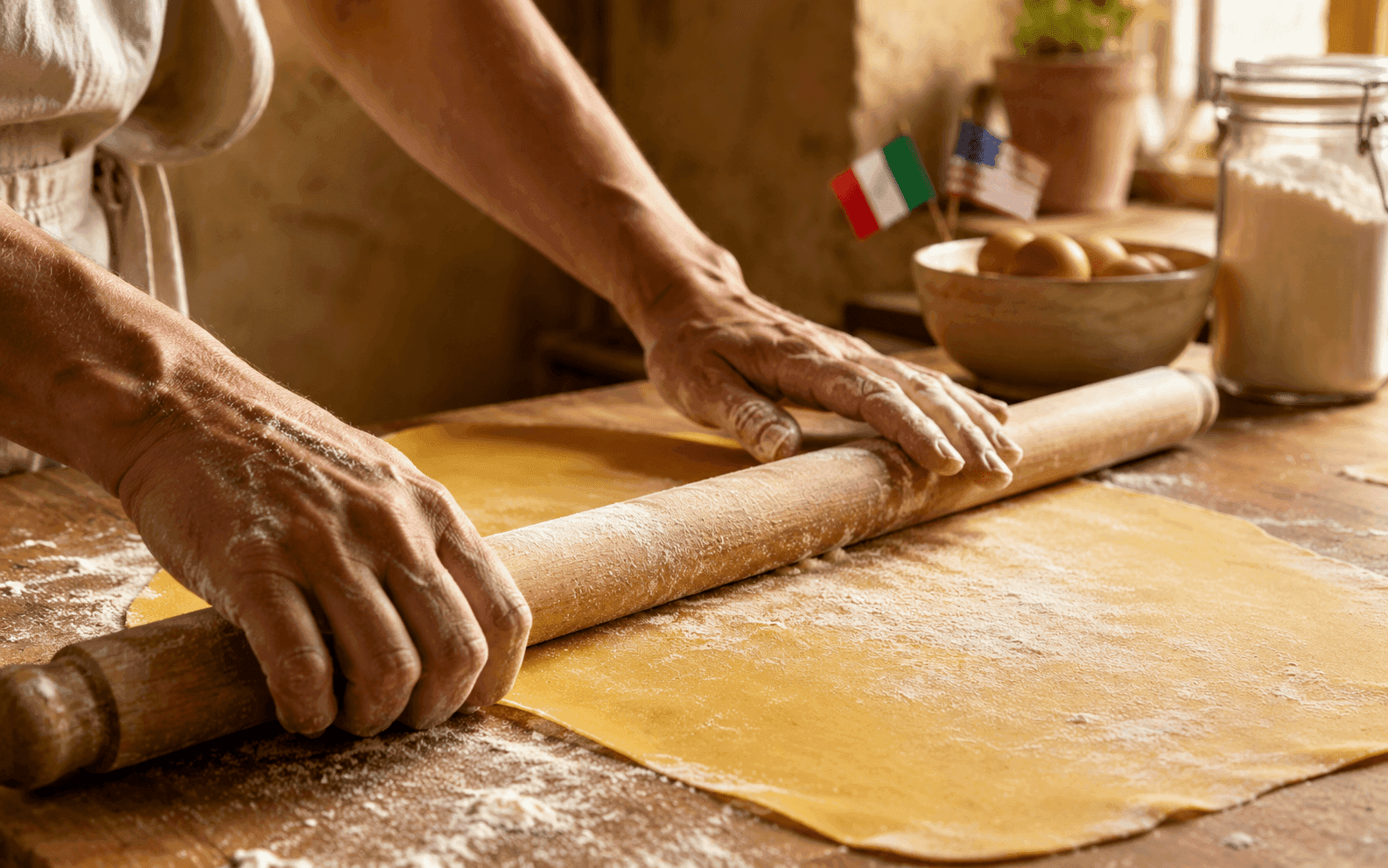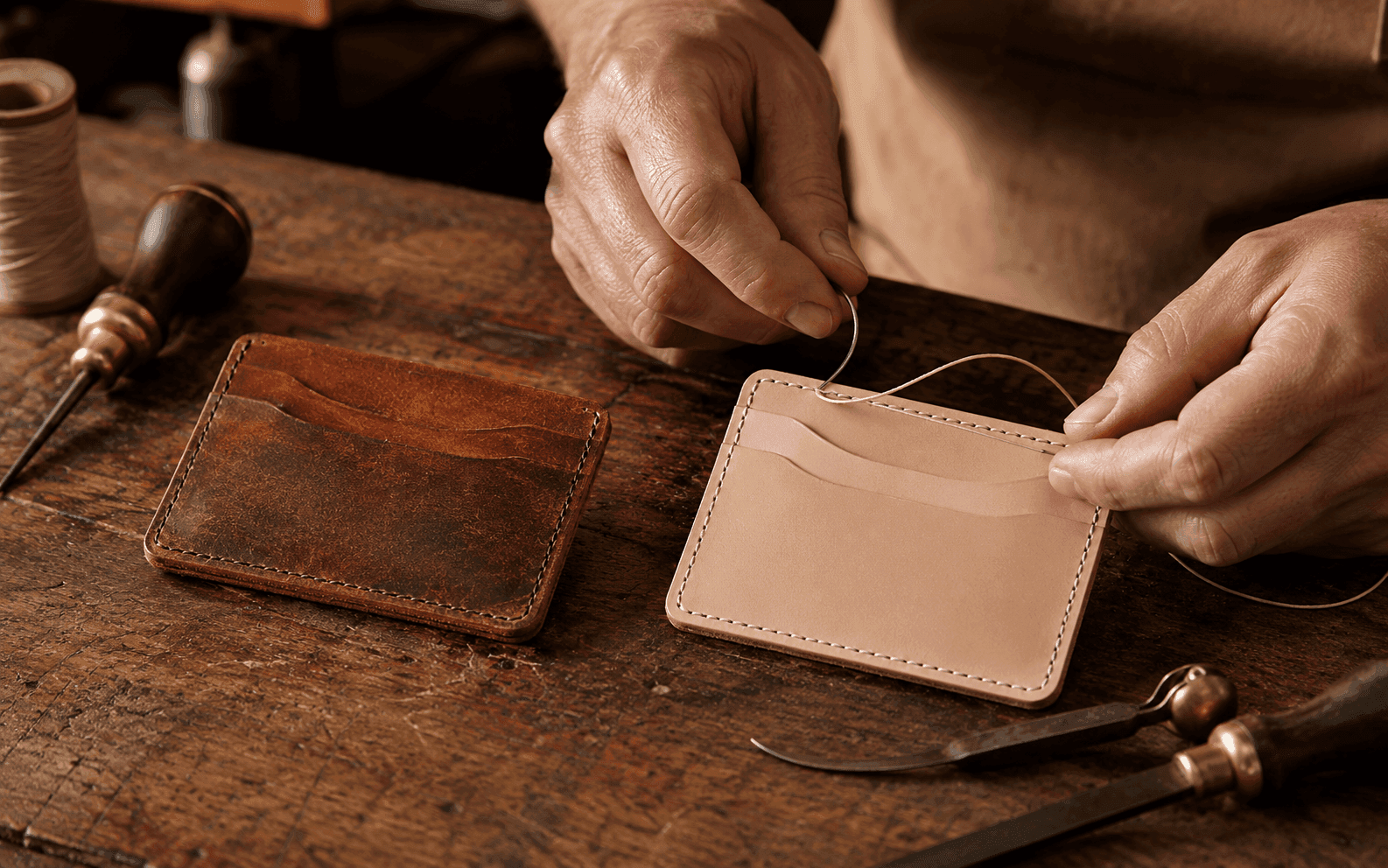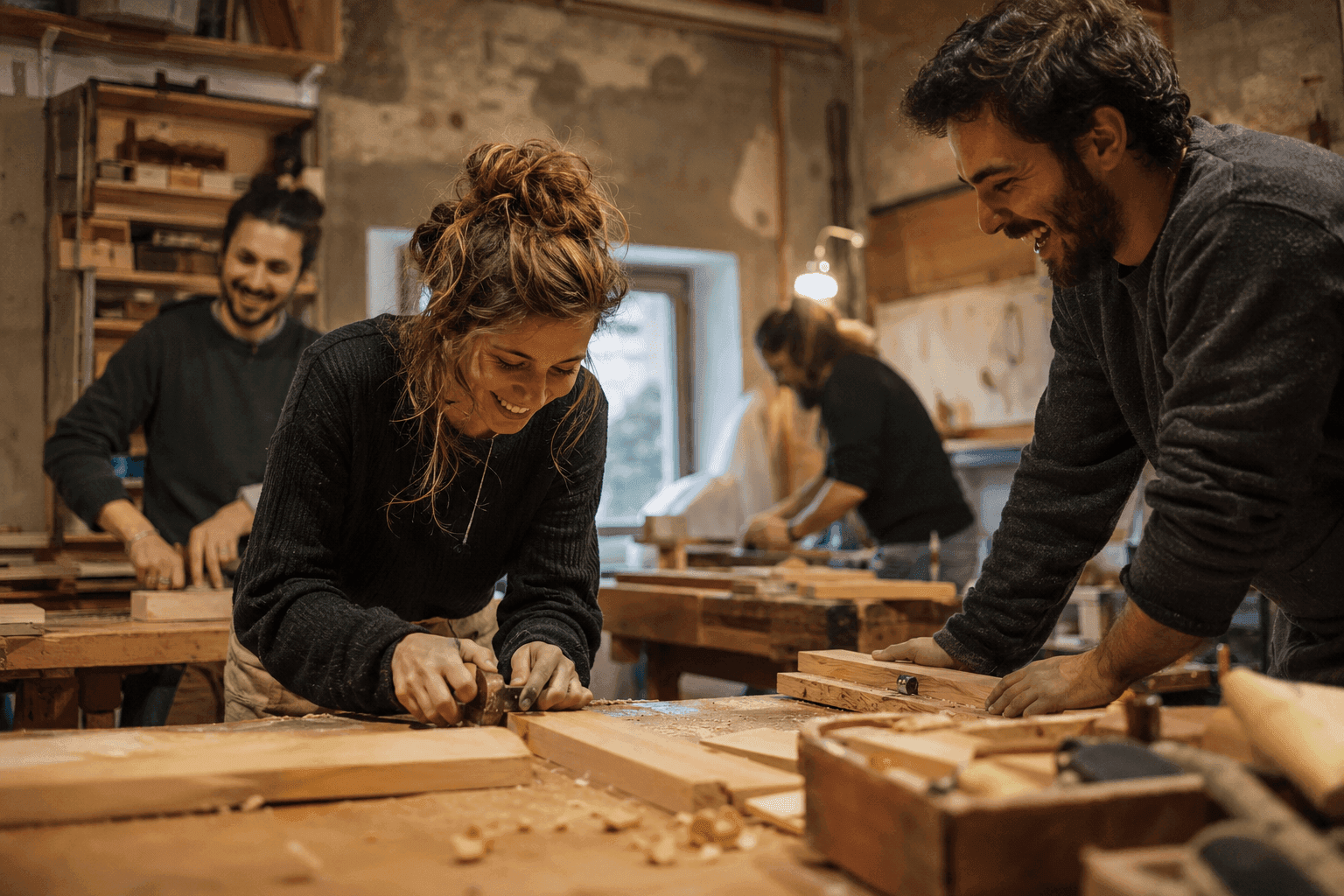
There's a mix-up that costs many craftspeople dearly: treating their workshop as if it were a course. It sounds like a subtlety, but it changes everything — how you design it, how you describe it, who you attract, and how much you can charge. A course sells knowledge: you take it to learn a subject, with competence as the goal. A workshop sells experience: you live it for the joy of making, of discovery, of the moment. The vast majority of people who book a workshop don't want to 'study': they want to live something beautiful. Grasping this is the first step to positioning yourself well.
Course and experience: two different promises
A course promises: 'by the end you'll know how to do X.' An experiential workshop promises: 'you'll spend a few wonderful hours creating X with your own hands.' These are different promises, and they attract people with different needs. Someone looking for a course mainly weighs what they'll learn and how thorough it is; someone looking for an experience weighs how they'll feel, the atmosphere, the memory, the object they'll take home. Positioning your workshop as an experience — not a lesson — puts you in front of a much wider audience of people looking for 'something lovely to do,' not just those who want to learn a craft.
What makes yours an experience
- The atmosphere: care for the space, the music, the welcome, the warmth. In a course they're extras; in an experience they're the substance.
- Emotion and conviviality: the joy of making together, the sociability, the fun — not just the learning.
- The tangible result: you leave with an object you made yourself, a concrete memento, not with notes.
- The storytelling: your story, the story of the craft, the cultural context. It's what turns an activity into a little journey.
This doesn't mean teaching badly
Don't get this wrong: saying it's an experience and not a course doesn't mean the quality of your teaching matters less. On the contrary, people still want to genuinely learn something and take home a result they can be proud of. The difference is in the framing and the priority: learning is in service of the experience, not the other way around. You teach brilliantly, but within a frame of pleasure, atmosphere, and emotion, not within the rigidity of a lesson.
When a course does make sense
There's also an audience genuinely looking to learn for real, with continuity: for them a more structured path, across several sessions, closer to the idea of a course, is perfect. Recognizing this distinction lets you offer both with clarity: the workshop-experience as an accessible entry point for everyone, and the more in-depth path for those who want to go further. The key is not to blur the two in your communication, because they speak to people with different expectations.
Domande frequenti
- What's the difference between a workshop and a course?
- A course sells knowledge ('by the end you'll know how to do X'); an experiential workshop sells experience ('you'll spend wonderful hours creating X'). They attract different audiences: those who want to learn a subject and those looking for something lovely to live. Most people who book a workshop belong to the second group.
- Does selling the workshop as an 'experience' mean teaching less?
- No: people still want to genuinely learn and take home a result they can be proud of. What changes is the frame: learning is in service of the experience (atmosphere, emotion, pleasure), not the other way around. You teach brilliantly, but inside an experience.
- How do I tell if I'm communicating the workshop like a course?
- Look at the description: do the words about 'what you'll learn' dominate, or those about 'how you'll feel and what you'll experience'? If the first aspect dominates, you're selling it as a lesson. Add atmosphere, emotion, and storytelling to position it as an experience.
- Is there still room to offer real courses?
- Yes: part of the audience wants to learn for real, with continuity, and for them a structured multi-session path is perfect. Ideally you offer both with clarity, without blurring them in your communication, because they speak to different expectations.
On Handsome your workshops are presented as experiences to live: reach people looking for something lovely to do, not just to learn.
Position your experience on Handsome