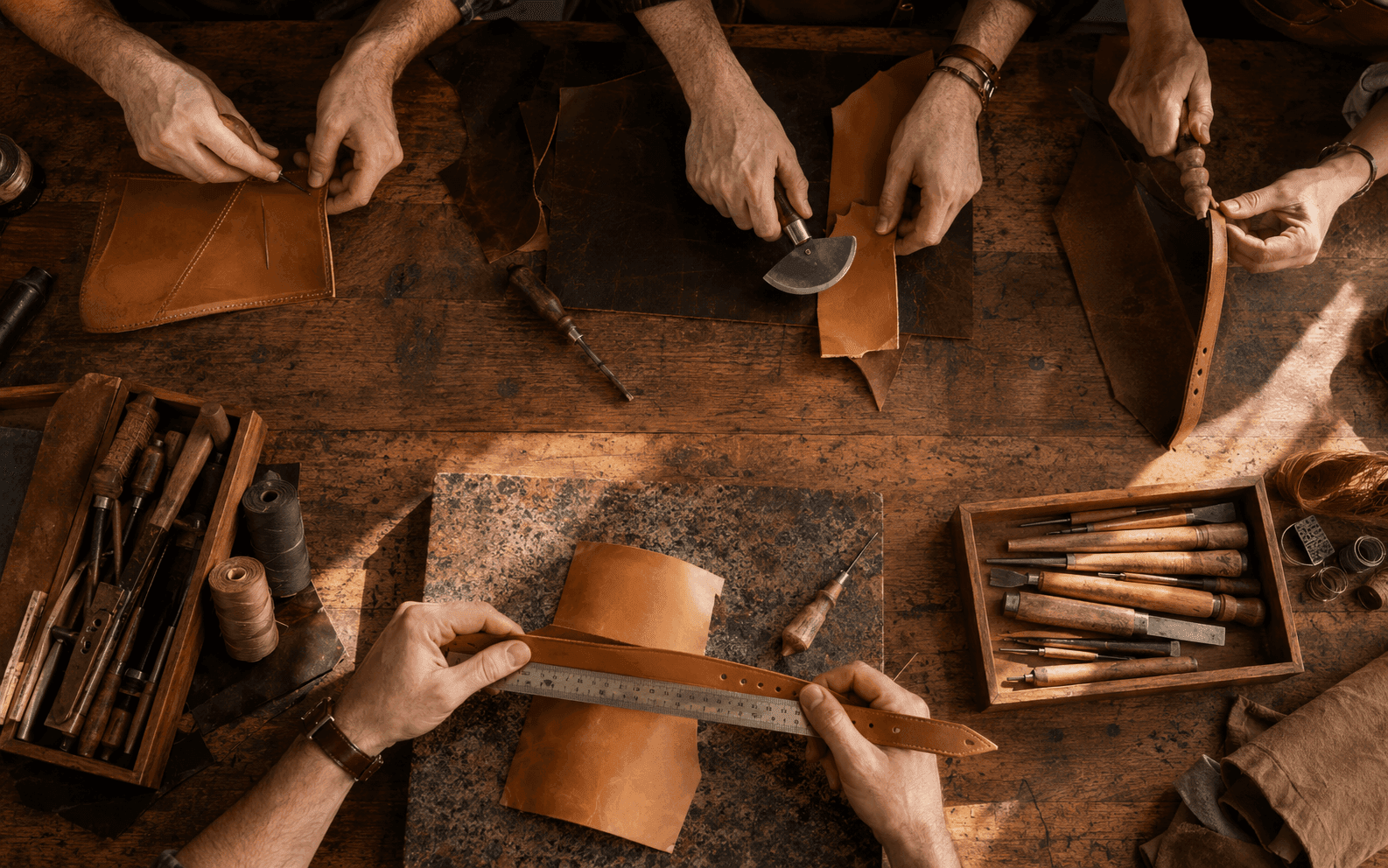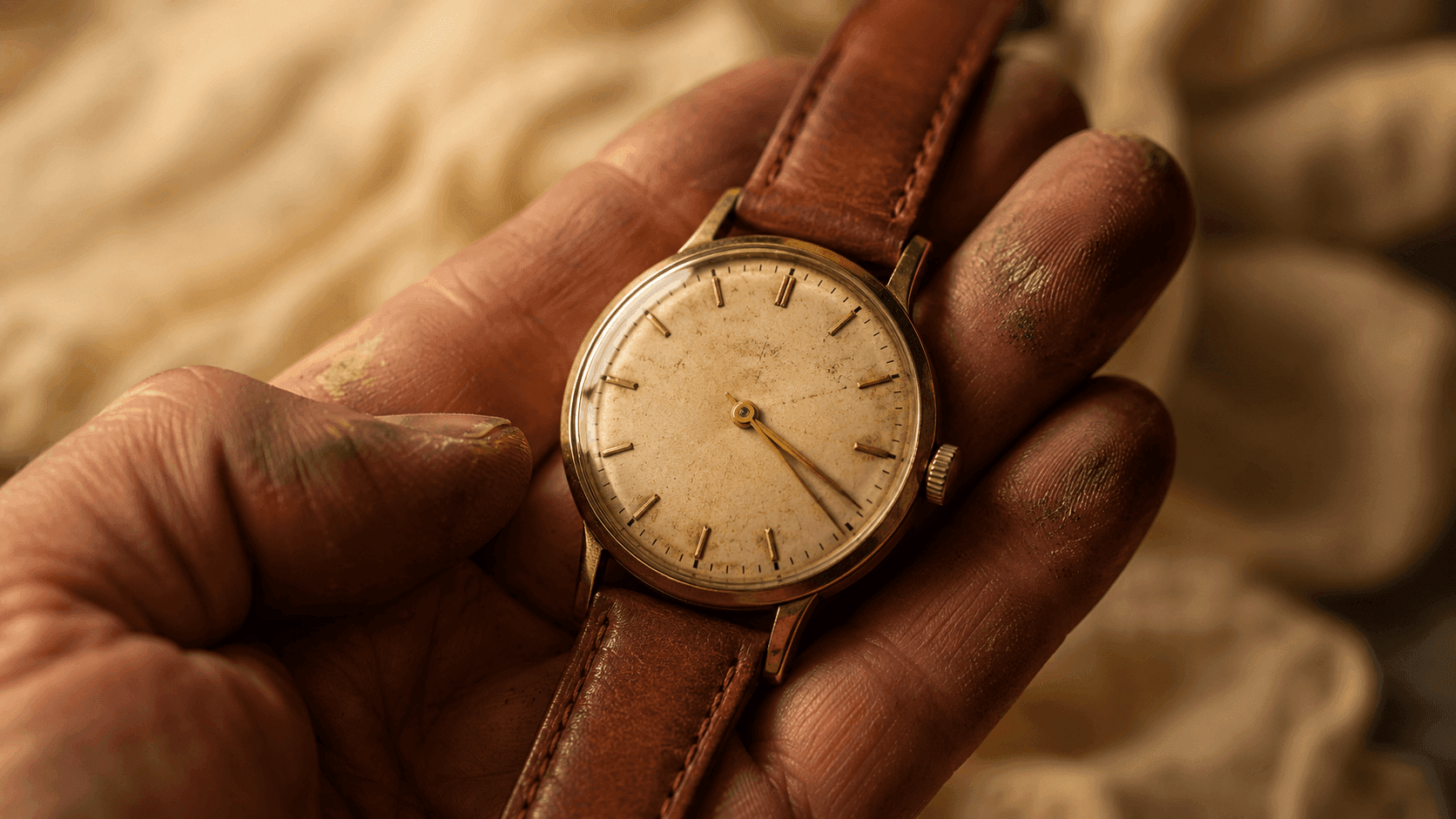
In every workshop, sooner or later, it happens: the piece comes out crooked, the line isn't straight, the glaze drips, the stitching is uneven. It's inevitable — you're learning, and learning means making mistakes. The moment a participant looks at their 'imperfect' object is a turning point: it can tip into disappointment ('I'm just not good at this') or become one of the most beautiful memories of the whole experience. You make the difference, by how you handle that moment. Knowing how to turn imperfection into value is one of the skills that sets a true master apart from a mere technician.
Imperfection is the hallmark of the handmade
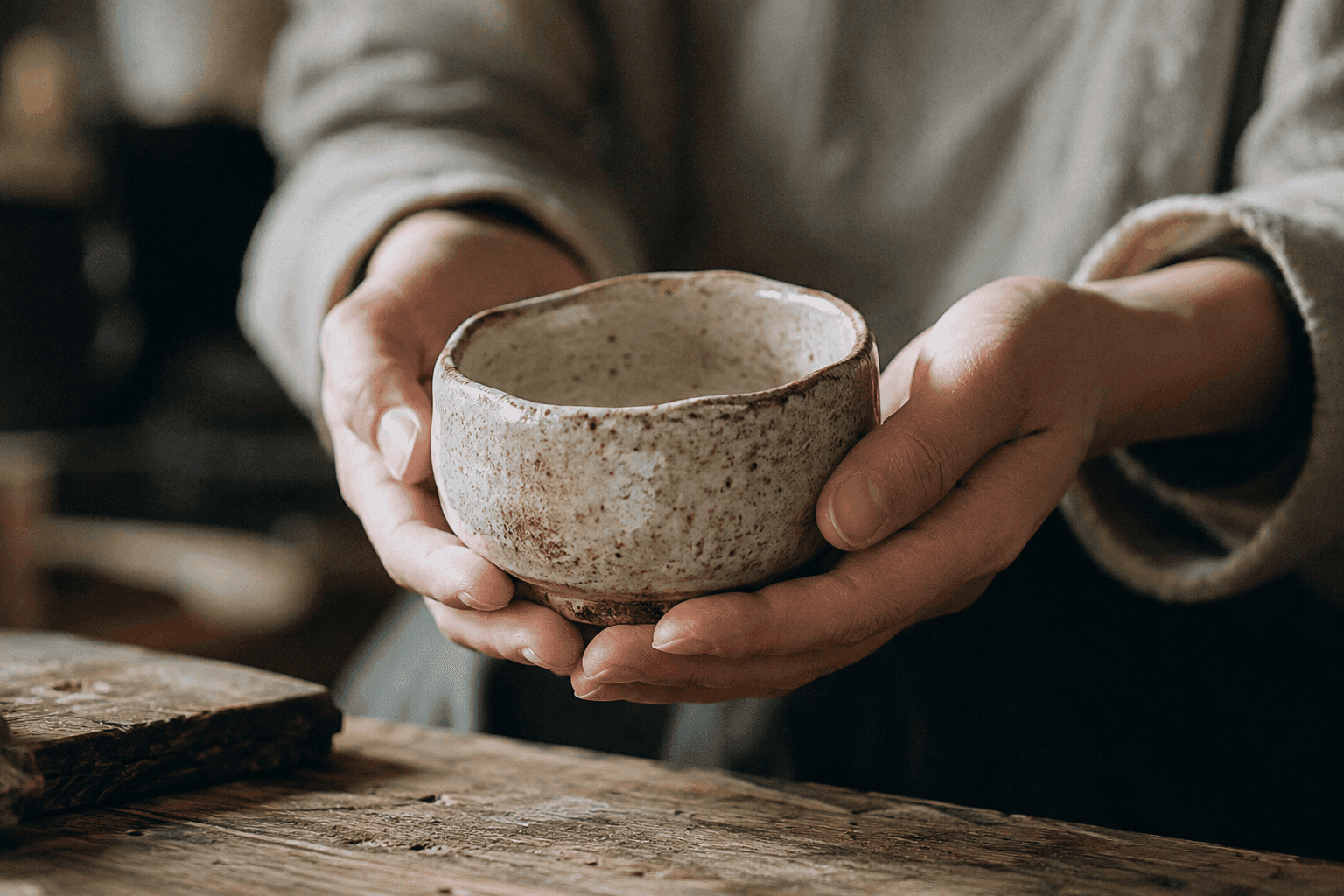
There's a powerful truth to pass on to your participants: what makes a handmade object precious isn't its perfection, but precisely its imperfect uniqueness. A factory-made product is perfect and identical to millions of others; their piece is one of a kind in the world, with little irregularities that tell the story of the hand that made it. Many craft cultures celebrate this idea — the Japanese concept of wabi-sabi, the beauty of imperfection, is the best-known example. That little 'flaw' isn't a defect: it's the signature of authenticity.
How to react at the right moment
When you see a participant disappointed by their result, your tone and your timing do all the work. A few moves that work:
- Normalize it right away: 'this happens to everyone at first, it's completely normal.' It removes the sense of personal failure.
- Reframe the piece: point out what's beautiful and what worked, because there's almost always something. Shift their gaze from the flaw to the value.
- Share your own mistakes: admitting that even you, after years, still slip up is enormously reassuring and creates connection.
- When possible, show the fix: in many crafts, an 'error' can be repaired or worked into the design. Teaching that is a precious skill.
The fix as part of the experience
In many disciplines, knowing how to 'save' a piece that came out wrong is a more valuable skill than getting everything right on the first try. A mistake that becomes the chance to learn a recovery trick turns a moment of frustration into one of the most memorable of the workshop: the participant walks out not just with an object, but with the knowledge that mistakes can be handled. It's a small life lesson as much as a craft one, and it's exactly the kind of thing people tell their friends about.
Teach people to love the process, not just the result
In the end, the most important message you can pass on is this: the value of the workshop isn't just the finished object, but the experience of having made it — the messy hands, the discovery, even the mistakes. Shifting attention from 'did it come out perfect?' to 'how wonderful that I made it myself' frees participants from performance anxiety and lets them truly enjoy the moment. That's how a workshop becomes a happy memory instead of an exam — and it's one of the things that make you a master people want to see again.
Domande frequenti
- What do I do if a participant is disappointed by their result?
- Normalize it right away ('this happens to everyone at first'), reframe the parts of the piece that worked, share that you make mistakes too, and where possible show how to fix the error. Shifting their gaze from the flaw to the unique value of the handmade turns disappointment into pride.
- How do I explain that imperfection is a value?
- By explaining that what makes the handmade precious is precisely its uniqueness: unlike a factory product identical to millions of others, their piece is one of a kind in the world. The little irregularities are the signature of authenticity, not a defect.
- Does handling participants' mistakes affect reviews?
- Enormously: the same imperfect object can generate an enthusiastic or a lukewarm review depending on how you handled the moment. A participant who leaves calm and proud of 'their' piece speaks well of the experience; one left in disappointment doesn't.
- Should I aim for participants to achieve perfect results?
- No: in an experiential workshop the goal is the joy of making and a result to be proud of, not technical perfection. Teaching people to love the process, mistakes included, frees them from performance anxiety and makes the experience a happy memory.
Create your profile for free and introduce your workshops to people seeking the authenticity of the handmade — imperfections included.
Share the value of the handmade on Handsome